







The Heart of Beverly Hills
Experience the revolutionizing cosmetic synergy of two of the world’s most trusted Beverly Hills plastic surgeons in one setting. At Spalding Drive Plastic Surgery, your treatment is individually customized to your aesthetic preferences, lifestyle and anatomy from the moment you enter the door.



Beverly Hills cosmetic surgeon Dr. Amron has honed his expertise in the field of body sculpting and non-surgical liposculpture for over two decades, solidifying his reputation for outstanding weight loss solutions. His exquisite, age-defying liposuction results reveal Dr. Amron’s nuanced artistry and innate understanding of the human physique, drawing cosmetic surgery patients from not just Beverly Hills, but from all over the globe.
A graduate of UCLA and UCSD, Dr. Amron furthered his education at the prestigious Albert Einstein College of Medicine in New York. He then pursued a residency at UCSD, followed by a demanding fellowship at UCLA. Ever engaged in sharing his knowledge and experience with others, Dr. Amron contributes frequently to industry literature, as well as publications such as the Wall Street Journal and Cosmopolitan.
www.theroxburyinstitute.com Learn MoreTrusted with among the most challenging and complex facial surgeries performed, Beverly Hills facial plastic surgeon Dr. Nassif is a meticulously detailed and innovative facial plastic surgeon whose drive to achieve elegant, organic-looking results is unrivaled. He is known for his consummate skill in performing primary, secondary and ethnic rhinoplasty, along with facial plastic surgery and cutting-edge skincare solutions. He developed the unique Nassif MD Bio-Rhythmic Skincare Line, an age-reversing technology that works to realign the body’s natural biorhythmic balance.
Dr. Paul Nassif is passionate about contributing positively to the community, and as such works as a director of an elite fellowship training program, accredited by the American Academy of Facial Plastic and Reconstructive Surgery. He also mentors residents and colleagues at the USC School of Medicine.
www.drpaulnassif.com Learn MoreWorld Renowned Plastic Surgeons
Beauty means becoming the best possible version of yourself.
The Face
Dr. Paul Nassif, a board-certified plastic surgeon in Beverly Hills, strives to make a difference in the world, using his extraordinary surgical gifts to effect meaningful change. He is best known for aesthetically elevating his clients to a new plateau of beauty and well being through his groundbreaking approach to rhinoplasty, facelifts and facial plastic surgery.
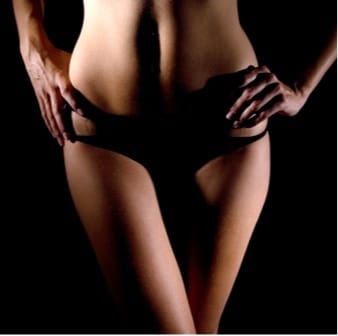
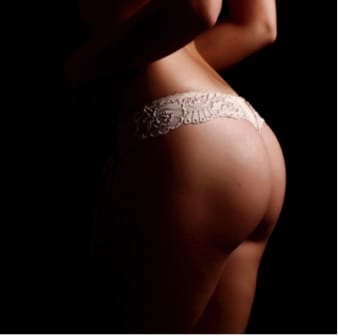
The Body
Dr. David Amron, a cosmetic surgeon in Beverly Hills, provides an in-depth, personalized approach to body contouring that addresses the unique anatomy, needs and goals of each client. Beyond liposculpture, he strategizes to improve the physique through innovative dietary and hormonal therapies, aiming for comprehensive transformation.

Healthy, beautiful skin makes the best first impression.
© Spalding Drive Plastic Surgery. All rights reserved. Web Design & Online Marketing Los Angeles by Studio III